There’s a unique magic in saving seeds from your own garden connecting generations of gardeners. It provides a way to preserve your favorite varieties, and is a step towards greater self-sufficiency. It’s also a money saving technique to supply yourself, family and friends with favorite seeds for your gardens year after year.
If you’re looking for a detailed class on seed saving, check out our Beginner’s Guide to Seed Saving class!
Why Save Seeds?
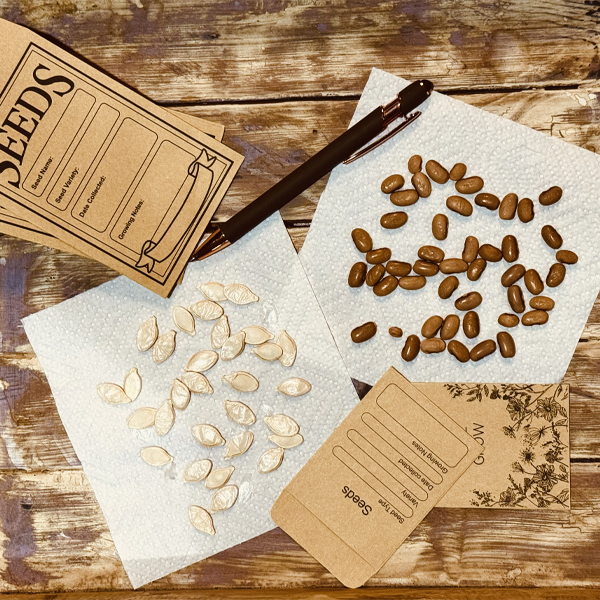
Why seed saving is so valuable:
- Preserve Your Favorites
- Adaptation to Your Climate
- Cost Savings
- Genetic Diversity
- A Deeper Connection to Your Garden
Getting Started: The Basics for Beginners
The key to successful seed saving for beginners lies in choosing the right plants and employing simple techniques. Here’s what you need to know:
- Choose Open-Pollinated Varieties:
Some easy Open Pollinated vegetables to start with include:
- Beans: Snap beans, bush beans, pole beans
- Peas: Shelling peas, snow peas
- Tomatoes: Many Heirloom varieties
- Lettuce: Leaf lettuce, romaine
- Peppers: Bell peppers, chili peppers (be mindful of cross-pollination – more on that later!)
- Herbs: Dill, cilantro, parsley
- Understand Pollination (The Birds and the Bees… and the Wind!):
Plants reproduce through pollination, the transfer of pollen.
- Self-Pollinating
- Cross-Pollinating
For beginners, focus on self-pollinating plants first to minimize the risk of unwanted crosses.
- Simple Seed Saving Techniques:
Here are basic methods for saving seeds for some beginner-friendly plants:
- Allow the seeds to dry completely and let them air dry before storing
- Select ripe, healthy fruits
- For flowers, herbs and plants that produce flowers with seeds like lettuce. Let the flower heads dry completely on the plant. Once brown and brittle, shake or rub them over a container to release the seeds.
- Drying and Storing Your Precious Seeds:
Proper drying and storage are crucial for seed viability:
- Dry Thoroughly
- Store in Airtight Containers or paper envelopes
- Keep Cool and Dark
- Keeping Your Seeds Organized

It’s important to keep your stored seeds organized after all that hard work!
- Ready for the next season
- Dates Matter to ensure best germination
- Storage Properly to ensure they don’t get lost
Our favorite way of storing our seeds is in a Seed Binder along with notes relevant to each seed variety that we can reference the next year.
Taking the Next Step (When You’re Ready):
As you gain confidence, you can explore more advanced seed saving techniques, such as:
- Saving seeds from cross-pollinating plants
- Learning about seed cleaning
- Understanding seed viability testing
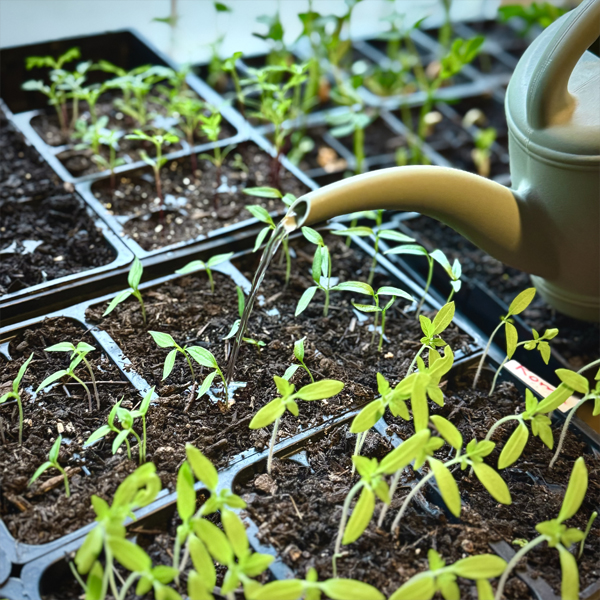
The Joy of Saving Seeds
Saving seeds is a rewarding practice that connects you to the cycle of life in your garden. Start small, be patient, and don’t be afraid to experiment. With a little effort, you’ll be harvesting not just food, but the potential for future harvests, right from your own backyard. Knowing that you are growing new plants from ones you lovingly tended the previous season gives a connection to your new garden that is satisfying and empowering. Happy seed saving!
If you’d like to learn more, consider our Beginner’s Guide to Seed Saving class!
I am continually invstigating online for tips that can assist me. Thx!
I always spend my half an hour to read this web site’s content daily along with a mug of coffee.